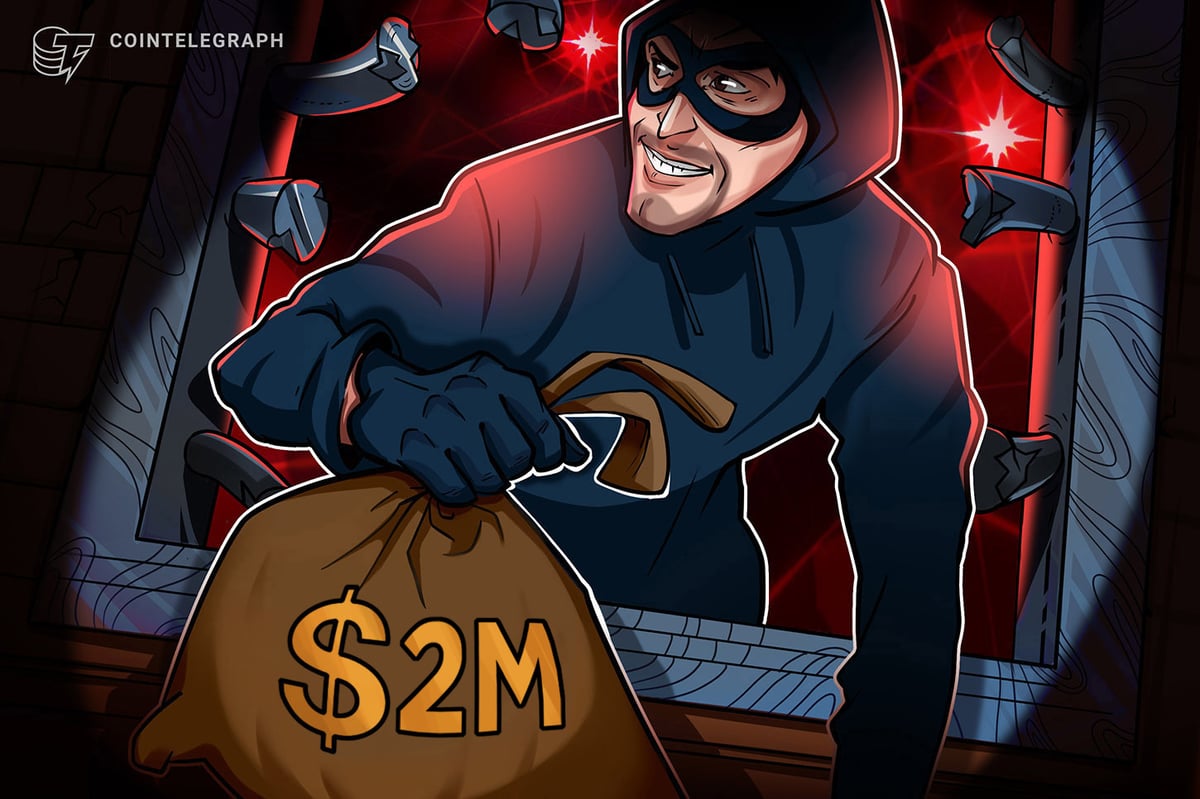
An alleged fraudster posing as a Coinbase help desk employee allegedly stole around $2 million in cryptocurrency from the exchange’s users, according to blockchain detective ZachXBT.
In a post from Monday X, ZachXBT claimed that he was able to determine the identity of the alleged scammer after cross-referencing screenshots of a Telegram group chat, social media posts and wallet transactions.
ZachXBT claimed that a “Canadian threat actor” “stole more than $2 million through Coinbase’s support of impersonation in social engineering scams over the past year, spending funds on rare social media usernames, bottle services and gambling,”
A Canadian man allegedly employed social engineering tactics to trick Coinbase users into believing he worked for the exchange. In his post, ZachXBT shared a leaked video of the alleged scammer on the phone with a victim offering fake customer support.
Although the specifics are not detailed, social engineering generally consists of fraudsters posing as someone from a legitimate organization in order to gain trust and extract private information from unsuspecting victims or to make suspicious transactions.
“In the screenshot, he reveals an email… and his Telegram account with a number,” ZachXBT wrote.

The alleged scammer tried to cover his tracks by constantly buying “expensive Telegram usernames” and deleting old accounts. However, ZachXBT claimed that it was easy to determine their identities and movements due to the constant gloating on social media, and posted screenshots of numerous examples of “stories and selfies showing his no-nonsense lifestyle, and he was also caught rooting for eGirls.”
ZachXBT even claimed to have discovered the alleged scammer’s home address using publicly available information, but did not share it due to X’s terms of service.
How can users protect themselves from social engineering?
While seasoned crypto veterans know the best practices to protect themselves after years of trial and error, newcomers often need a heads up.
Related: Social Engineering Cost Crypto Billions in 2025: How to Protect Yourself
It is important for users to be very careful about keeping their private data safe, not using the same password for multiple services, and keeping significant off-exchange stock in a hardware wallet.
As a rule of thumb, it’s important to never click on links sent to you or answer cold calls. Always contact customer support directly through proven means, such as the actual website or app.
Additionally, help desk agents will never ask for passphrases or login credentials, share private wallets to send funds to, or redirect conversations to social media apps like Telegram.
Magazine: Meet the onchain crypto detectives who fight crime better than cops